Version for people with disabilities info@sbras.ru Home Chinese English Russian
Siberian Branch of the Russian Academy of Sciences is the largest integrator and the main expert of research and development, scientific educational, experimental design and industrial organizations in the Eastern Russia.
Russian Academy of Sciences
Version for people with disabilities info@sbras.ru Home Chinese English Russian
About the Siberian Branch
SB RAS mission
Chairman
  • Mikhail Lavrentyev, academician
  • Gurii Marchuk, academician
  • Valentin Koptyug, academician
  • Nikolai Dobretsov, academician
  • Alexander Aseev, academician
  • Valentin Parmon, academician
Presentation
Applied developments of scientific organizations SB RAS
SB RAS Organizations and Employees
Summary information
Search employee
Search organization
Academicians of RAS
Correspondent members of RAS
Professors RAS
List of SB RAS Institutes
About the Siberian Branch
SB RAS mission
Chairman
  • Mikhail Lavrentyev, academician
  • Gurii Marchuk, academician
  • Valentin Koptyug, academician
  • Nikolai Dobretsov, academician
  • Alexander Aseev, academician
  • Valentin Parmon, academician
Presentation
Applied developments of scientific organizations SB RAS
SB RAS Organizations and Employees
Summary information
Search employee
Search organization
Academicians of RAS
Correspondent members of RAS
Professors RAS
List of SB RAS Institutes

Institute of Cytology and Genetics, Siberian Branch of Russian Academy of Sciences

IC&G SB RAS site 


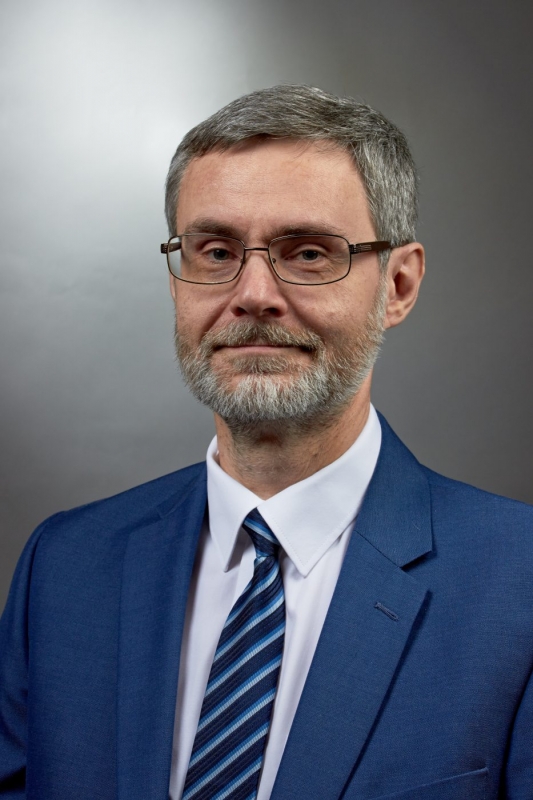
Director of the Federal Center for Cytology and Genetics SB RAS, academician Alexey Vladimirovich Kochetov. Photo by V.S. Koval
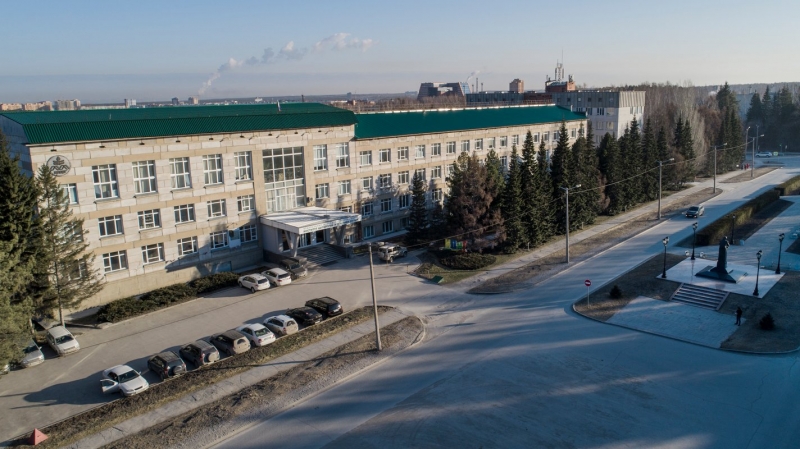
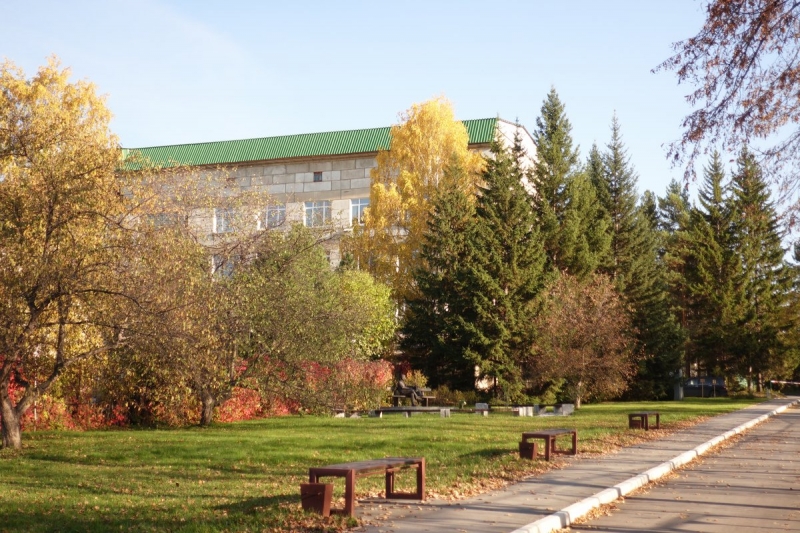
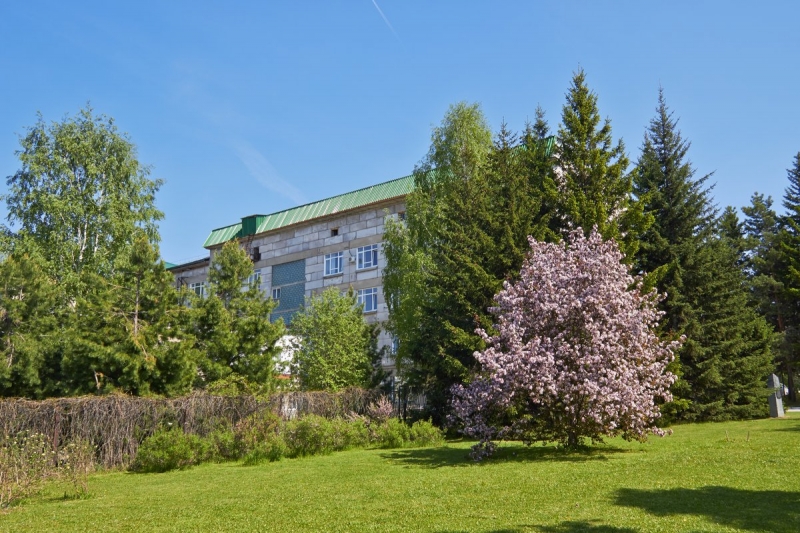
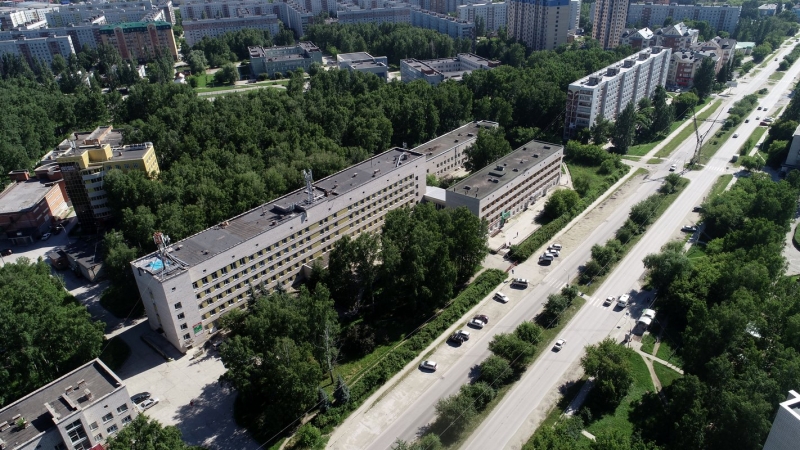
The Institute of Cytology and Genetics of the Siberian Branch of the Russian Academy of Sciences: the main building.Photo by V.S. Koval
The Institute of Cytology and Genetics of the Siberian Branch of the Russian Academy of Sciences: the main building. Photo by V.S. Koval
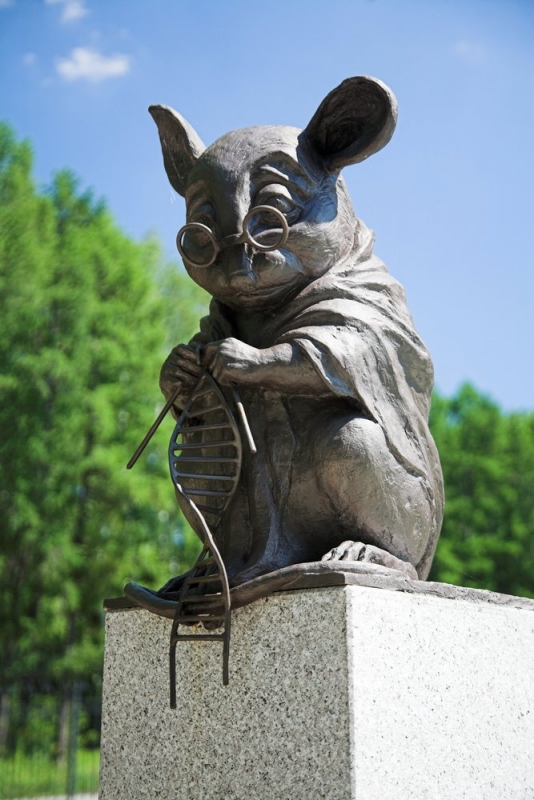
Monument to the laboratory mouse. Designed by artist Andrey Kharkevich and made by sculptor Alexei Agrikolyansky.Photo by V.S. Koval
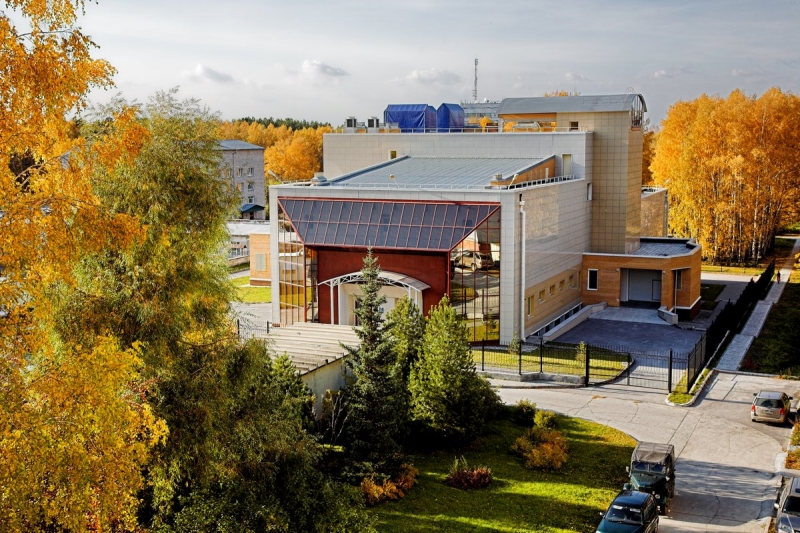
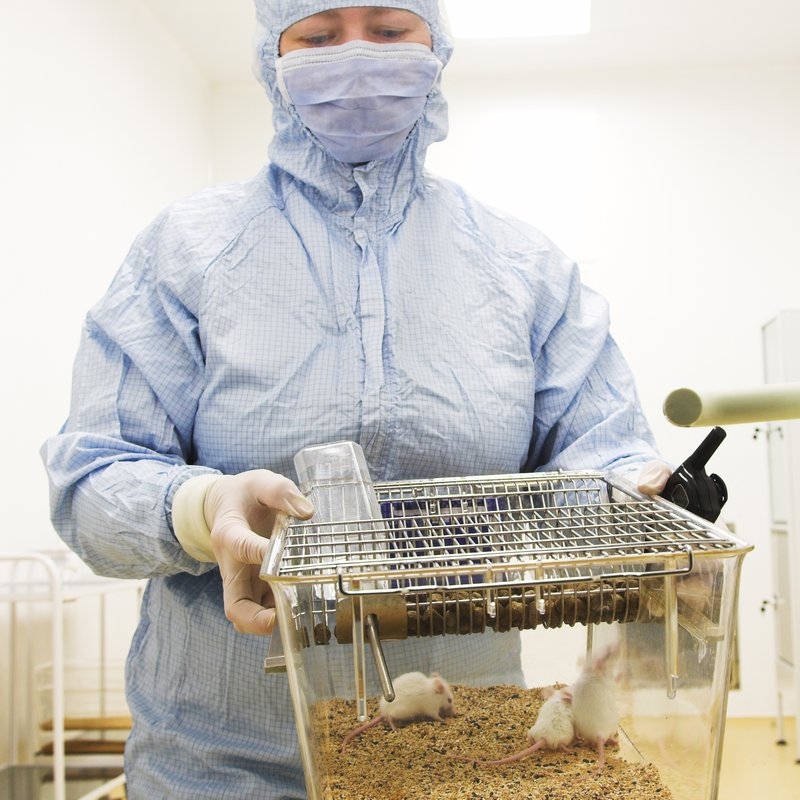
The shared-access center “Center for Genetic Resources of Laboratory Animals” powered by the Institute’s uniquely equipped SPF vivarium. Photo by V.S. Koval
Dozens of genetic lines of laboratory animals, acquired and original, at the SPF vivarium. Photo by V.S. Koval
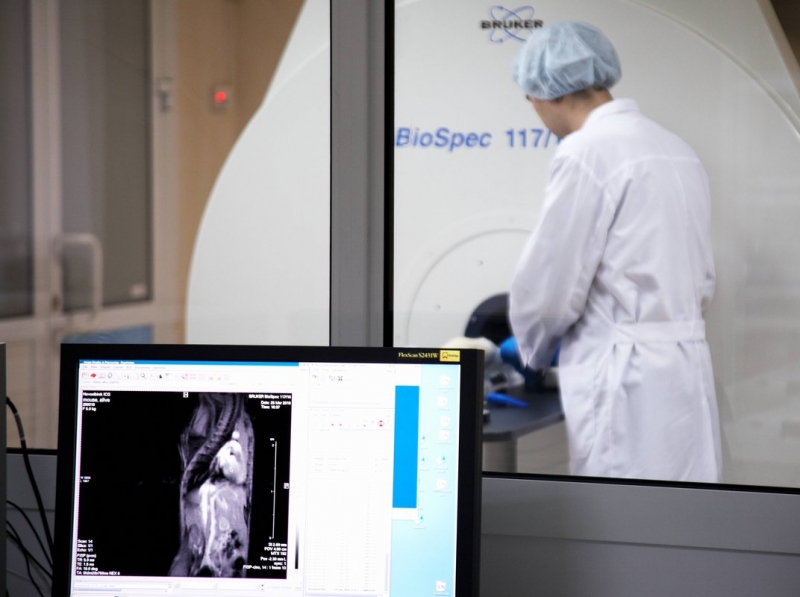
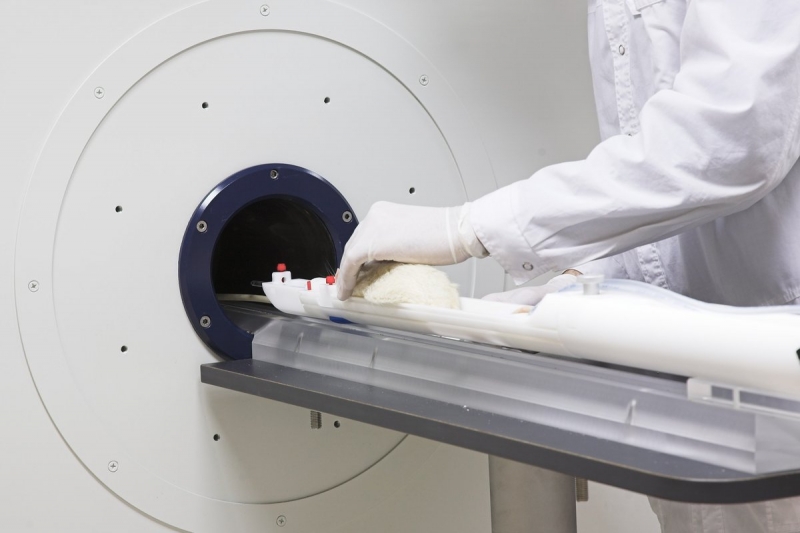
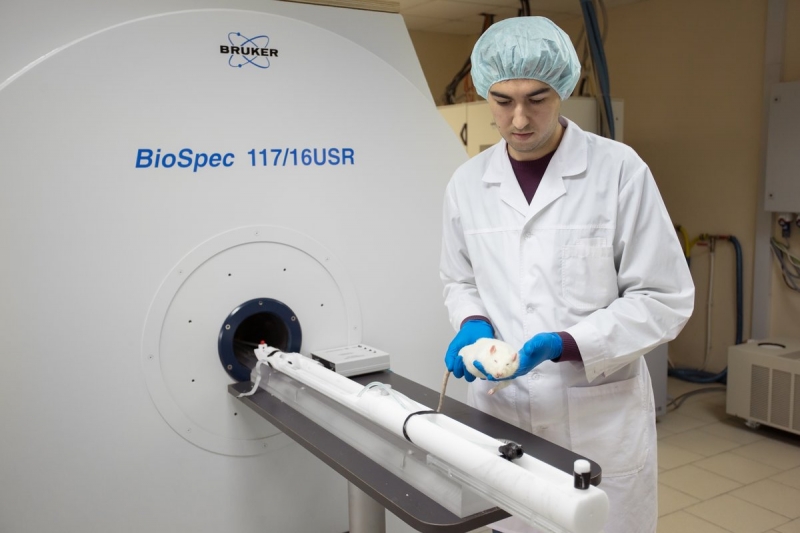
The shared-access center “Center for Genetic Resources of Laboratory Animals” boasts the most powerful BioSpec MRI scanner in Russia. Photo by V.S. Koval
Exploring ins and outs of embryo cryopreservation for long-term storage at the shared-access center “Center for Genetic Resources of Laboratory Animals”. Photo by V.S. Koval
Mikhail Moshkin, Professor, Head of the shared-access center “Center for Genetic Resources of Laboratory Animals”. Photo by V.S. Koval
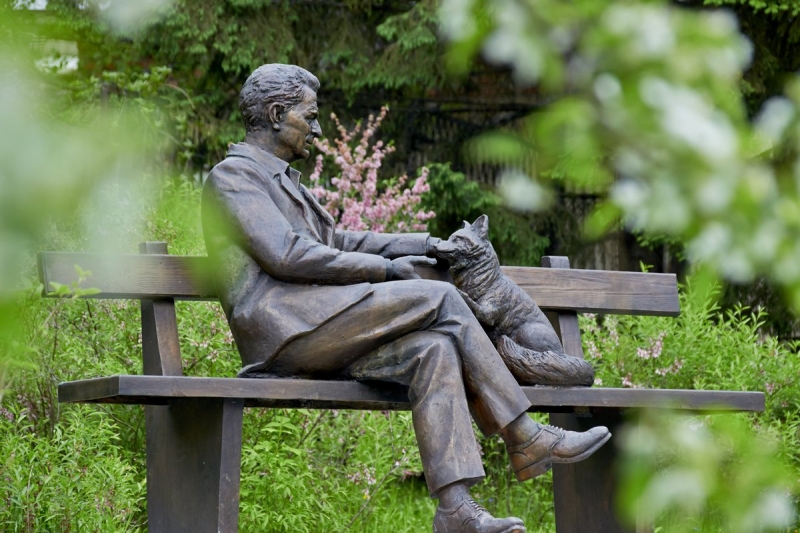
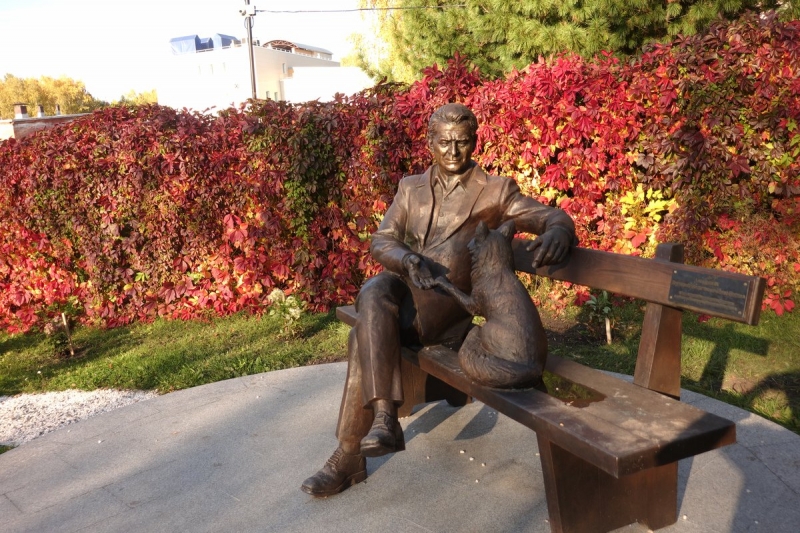
Memorial to Dmitry Belyaev. Designed by artist Andrey Kharkevich and made by sculptor Konstantin Zinich. Photo by V.S. Koval
Memorial to Dmitry Belyaev. Designed by artist Andrey Kharkevich and made by sculptor Konstantin Zinich
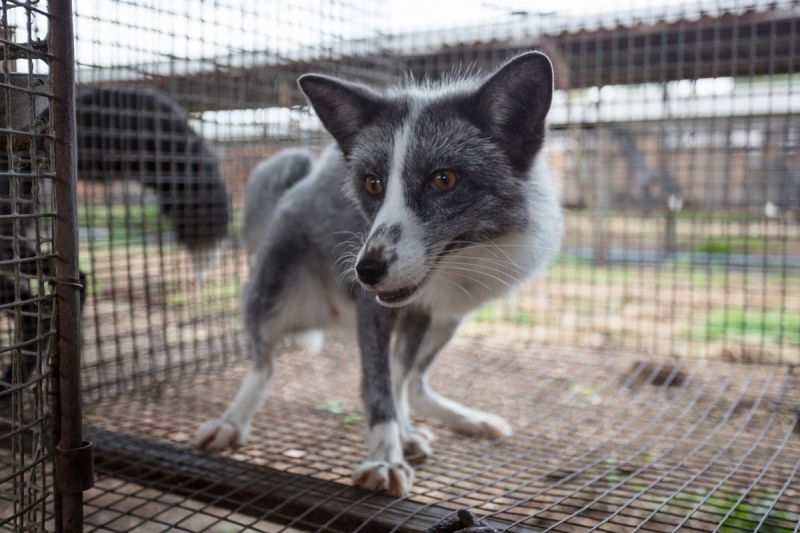
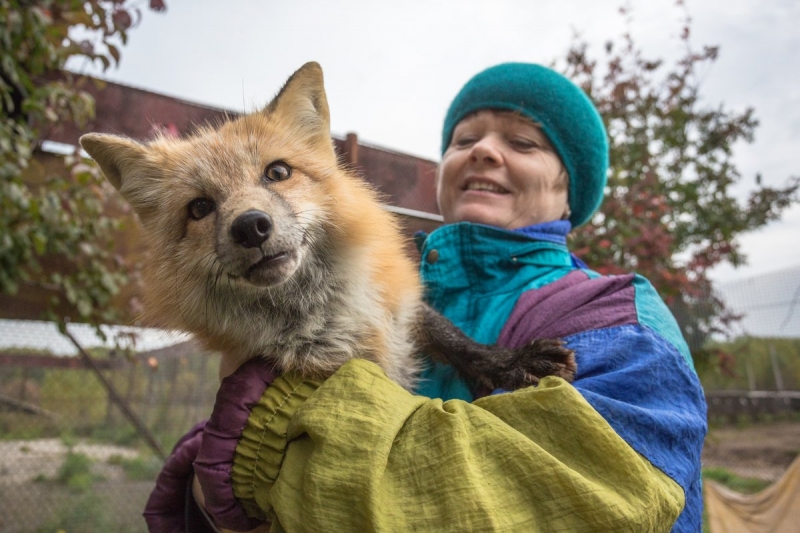
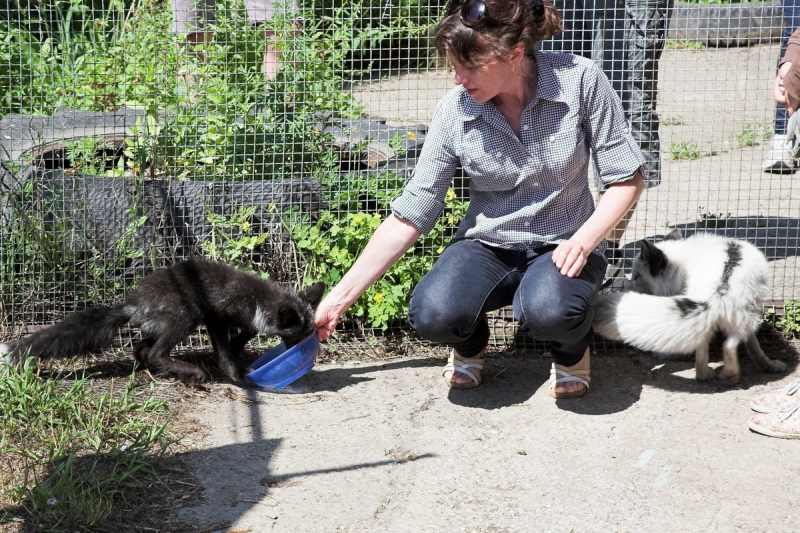
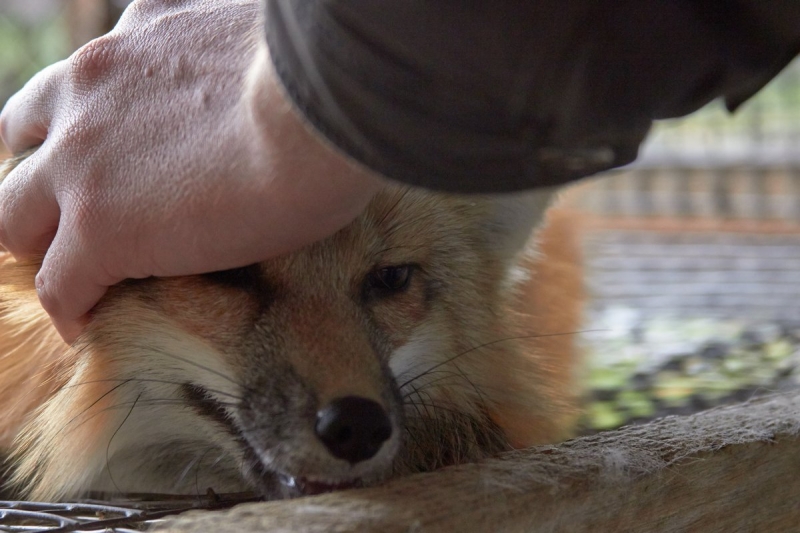
The legacy of Dmitry Belyaev’s domestication experiment at the Institute: the one-of-a-kind population of tame foxes. Photo by V.S. Koval
Lyudmila Trut, Professor, one of Belyaev’s closest associates in his fox domestication experiments, co-author to How to Tame a Fox (and Build a Dog). Photo by V.S. Koval
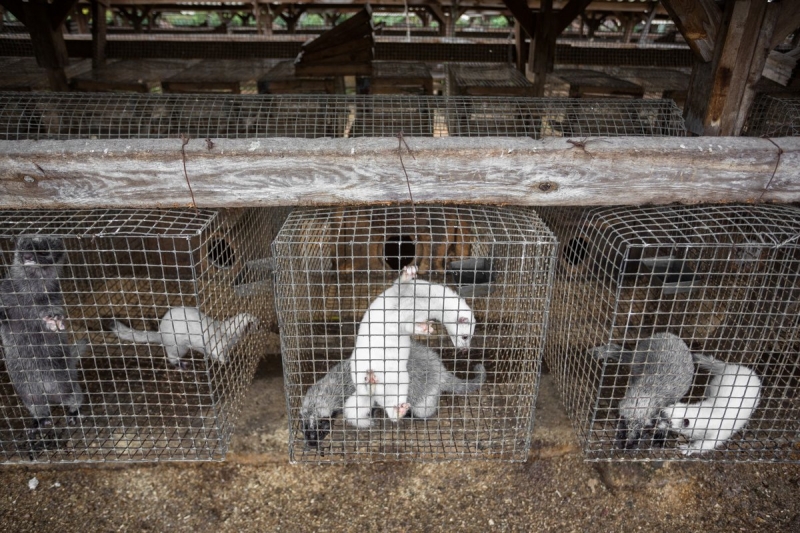
The American mink as the next hero of experimental domestication. Photo by V.S. Koval
Victory Garden planted near the main building on May 9, 2016. Photo by V.S. Koval
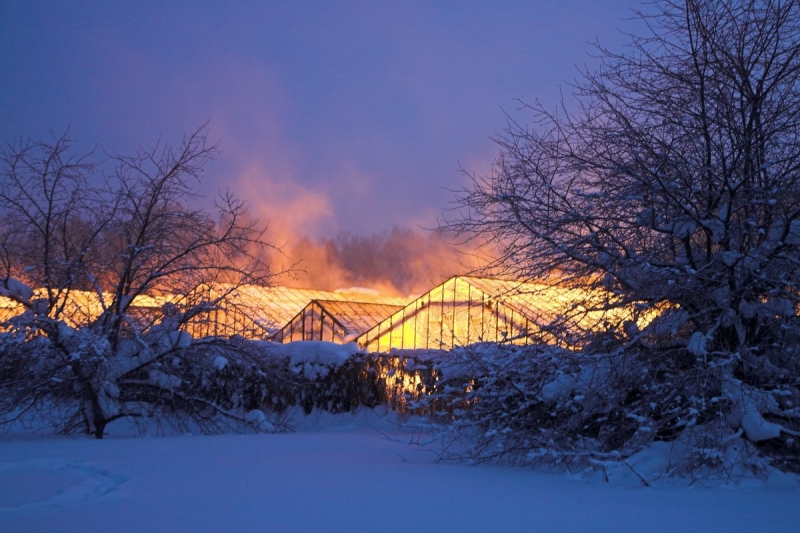
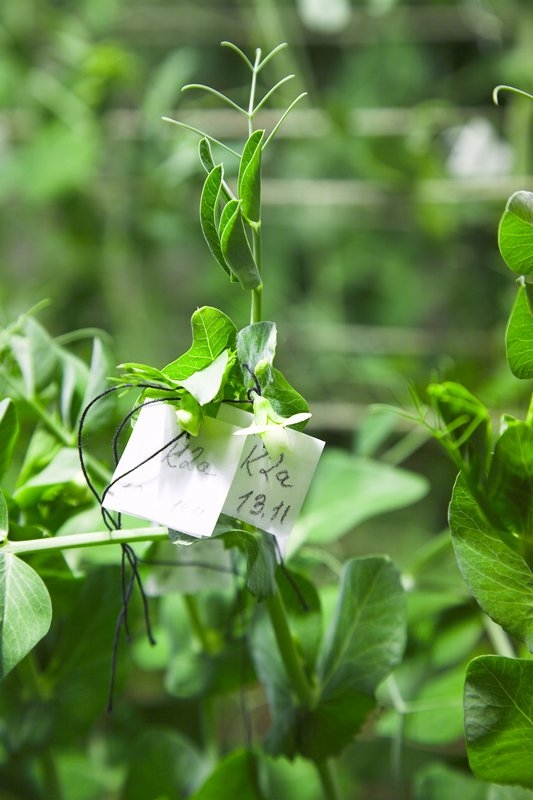
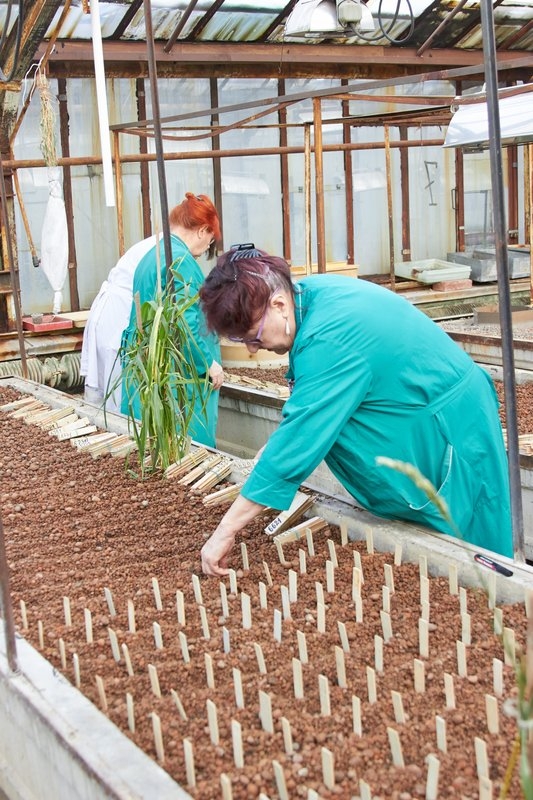
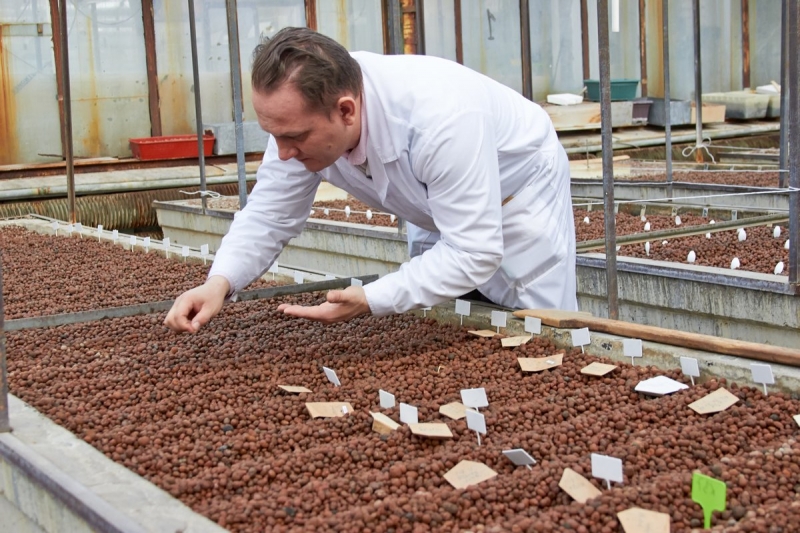
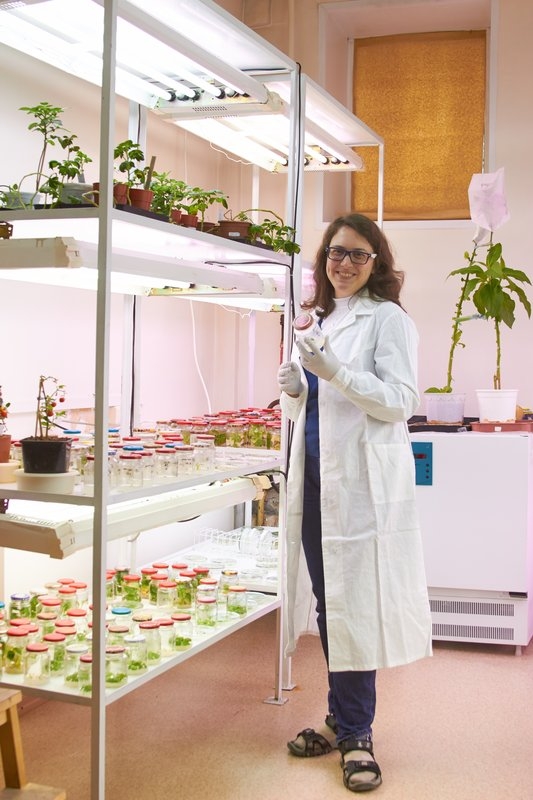
The shared-access center “Laboratory of Artificial Plant Growth” is an array of the Institute’s hydroponic greenhouse facilities intended for growing any kind of plant under controlled climatic conditions. Photo by V.S. Koval
Research in the shared-access center “Laboratory of Artificial Plant Growth” goes on no matter which season is outside. Photo by V.S. Koval
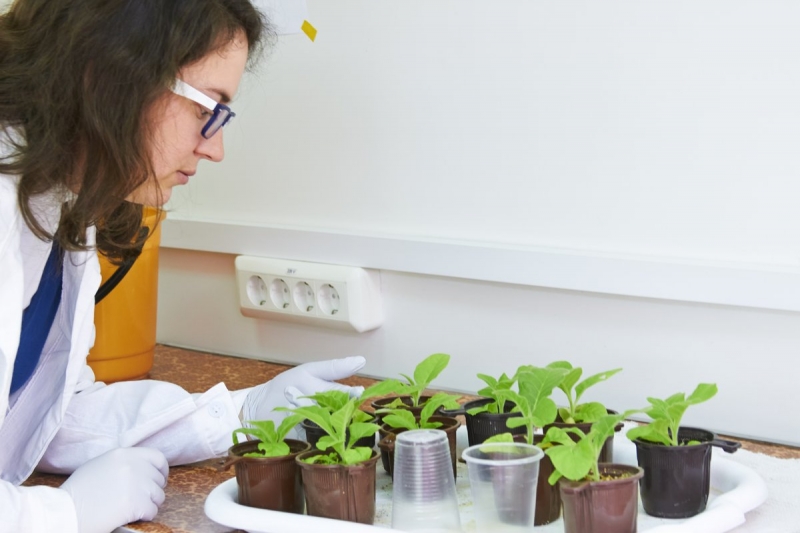
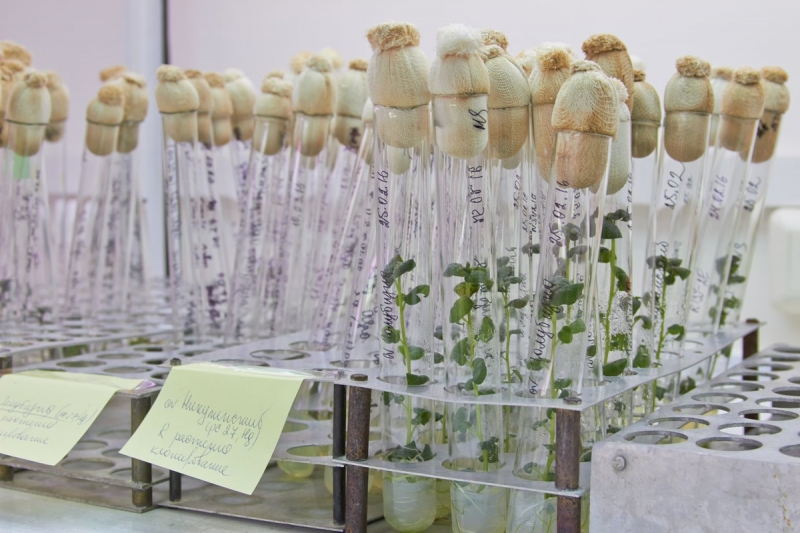
Developing transgenic plants to advance science and research. Photo by V.S. Koval
Young faces are everywhere in the Institute: the future of our science is secured. Photo by V.S. Koval
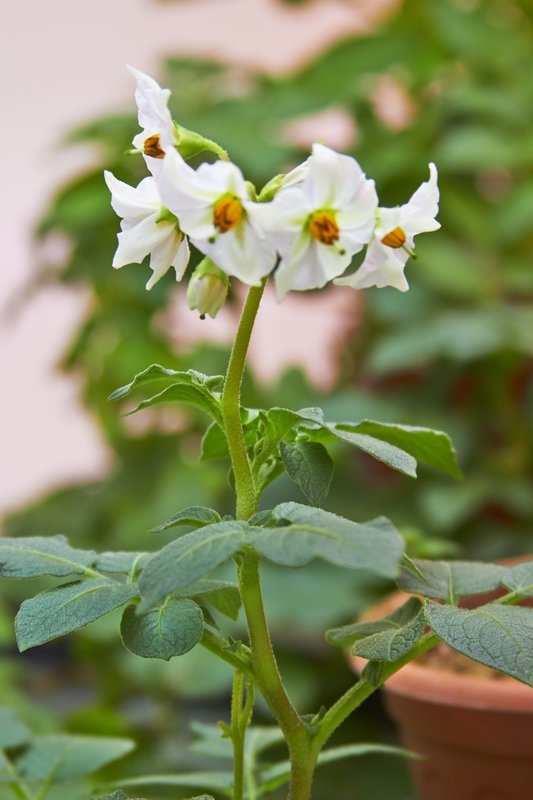
The Federal Research Center for Genetics and Genetics (ICG) of the Siberian Branch of the Russian Academy of Sciences is the leading scientific organization implementing the national program for the development of domestic potato production, and is currently intensively working within its walls to breed new potato varieties for the needs of the Russian agricultural industry. Photo by V.S. Koval.
As the leading organization in the national potato breeding program, the Institute is developing and improving new potato cultivars for the benefit of Russia’s agriculture. Photo by V.S. Koval
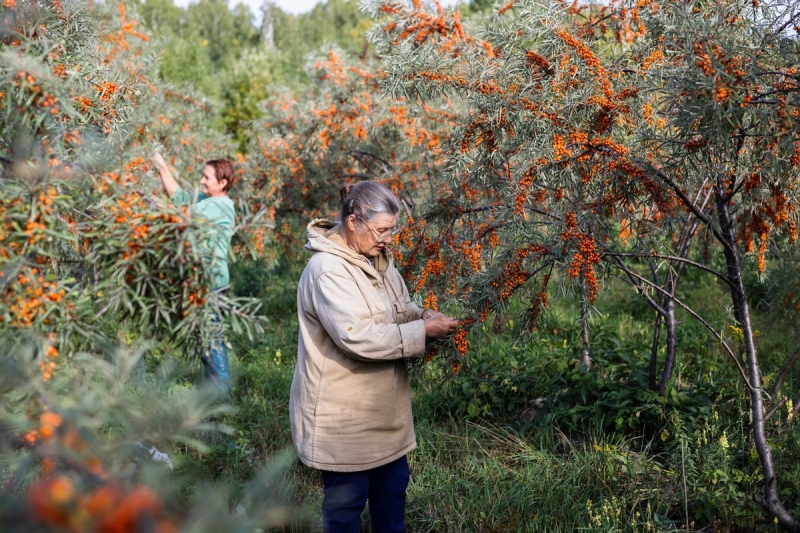
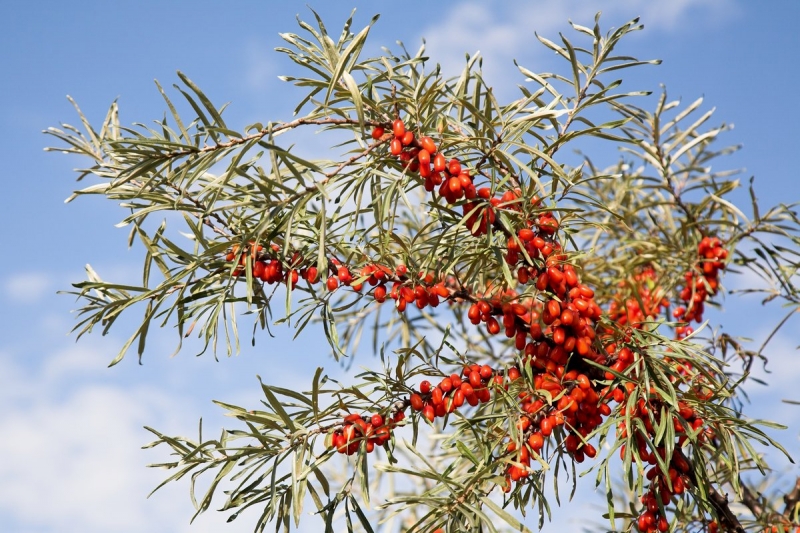
Sea buckthorn varieties developed by researchers at the Institute of Cytology and Genetics of the Siberian Branch of the Russian Academy of Sciences (ICG SB RAS) are enjoying great interest (including abroad). Photo by V.S. Koval
Sea buckthorn cultivars developed at the Institute are known and in demand. Photo by V.S. Koval
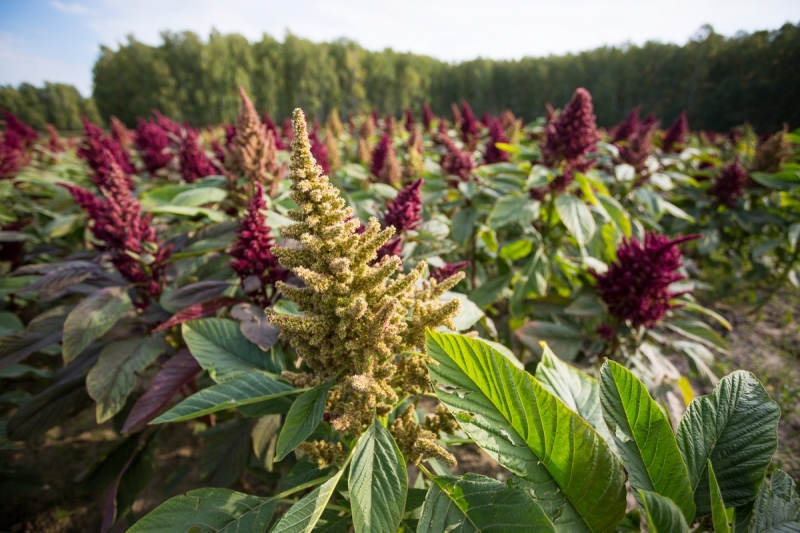
The institute’s people improving existing crops and proposing new ones. One of the new ones is amaranth. Photo by V.S. Koval
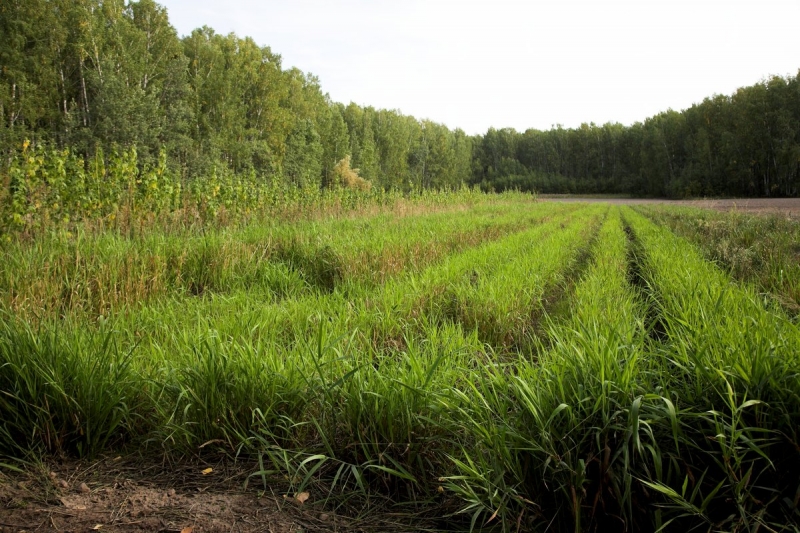
Another promising crop set for inclusion in Russia’s agriculture by the Institute’s people: Miscanthus.Photo by V.S. Koval
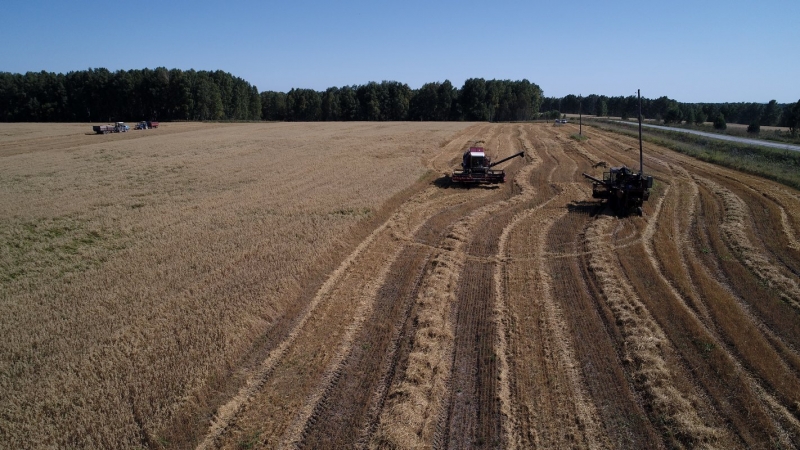
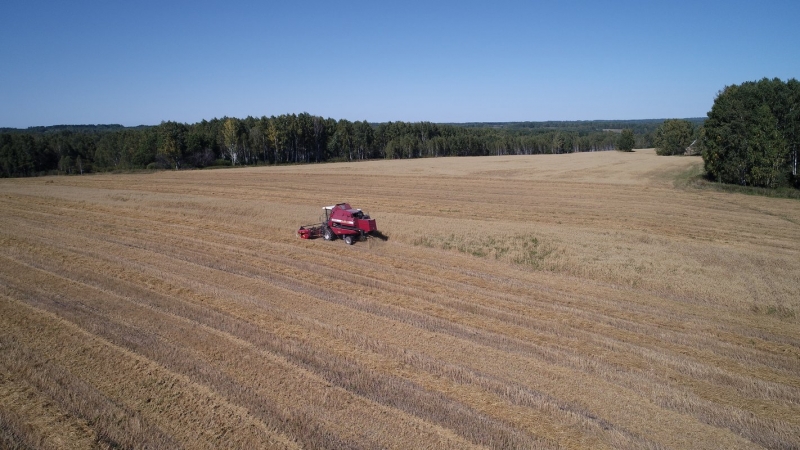
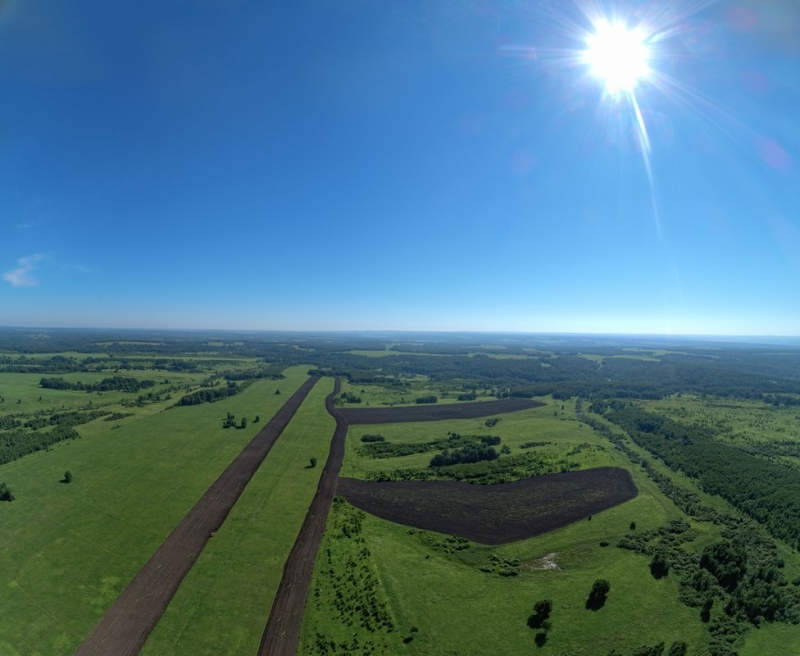
The Institute’s experimental fields in the village of Yelbashi, Cherepanovsky District, Novosibirsk Region. Photo by V.S. Koval
The Institute’s experimental fields in the village of Yelbashi, Cherepanovsky District, Novosibirsk Region.   Photo by V.S. Koval
The Institute’s experimental fields in the village of Yelbashi, Cherepanovsky District, Novosibirsk Region. Photo by V.S. Koval
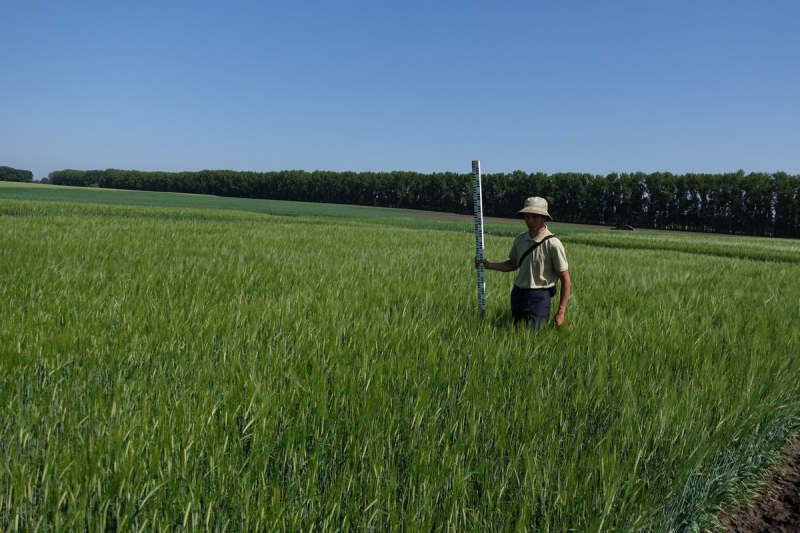
The Siberian Research Institute for Plant Industry and Breeding (SibNIIRS), a branch of the Institute of Cytology and Genetics. The oldest science and breeding institution in West Siberia.Photo by V.S. Koval
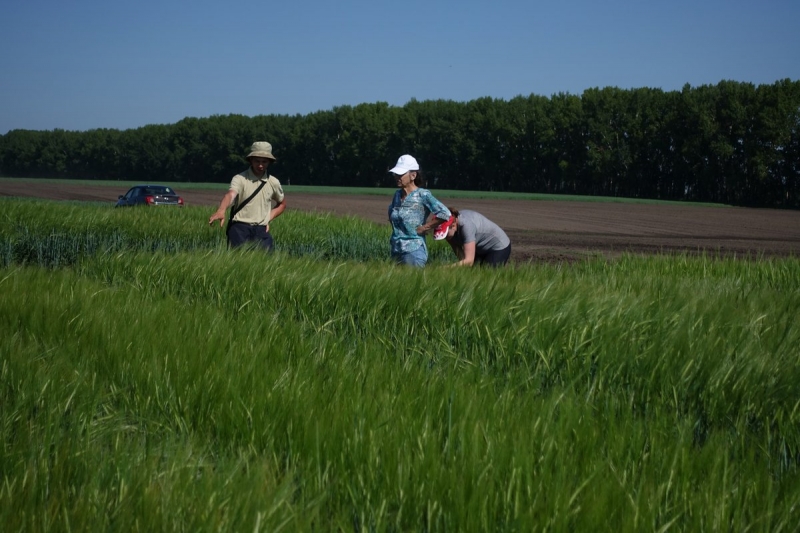
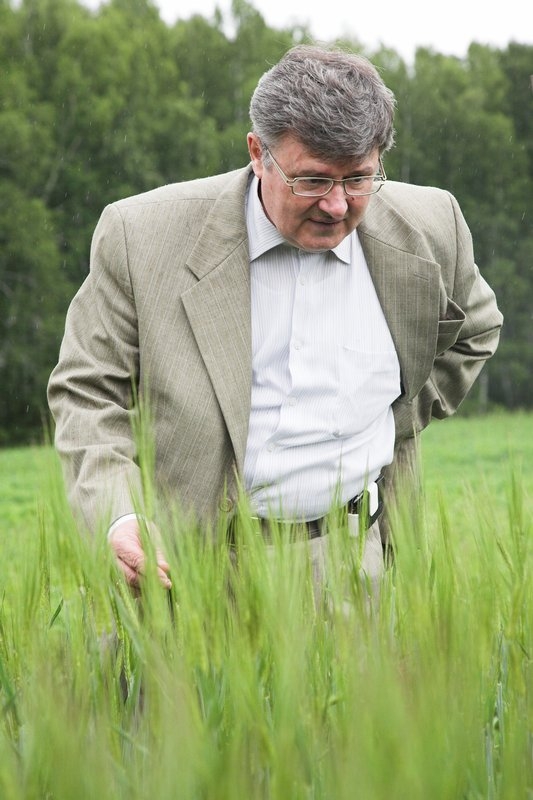
SibNIIRS people examining experimental barley plots. Photo by V.S. Koval
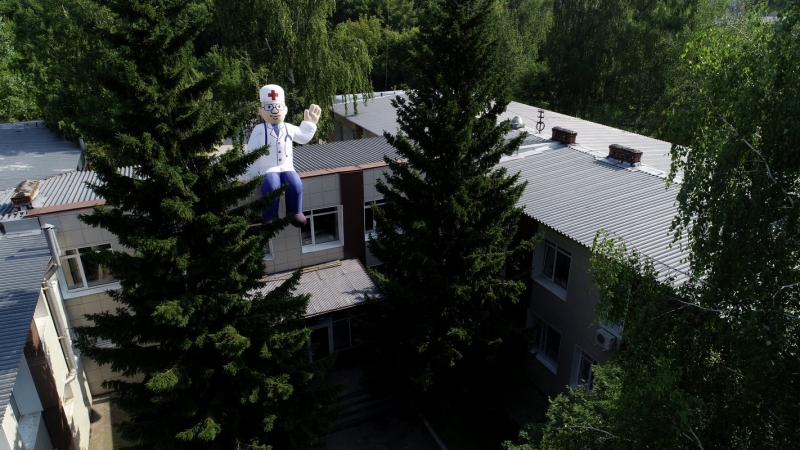
The Research Institute for Treatment and Preventive Medicine, a branch of the Institute of Cytology and Genetics. Photo by V.S. Koval
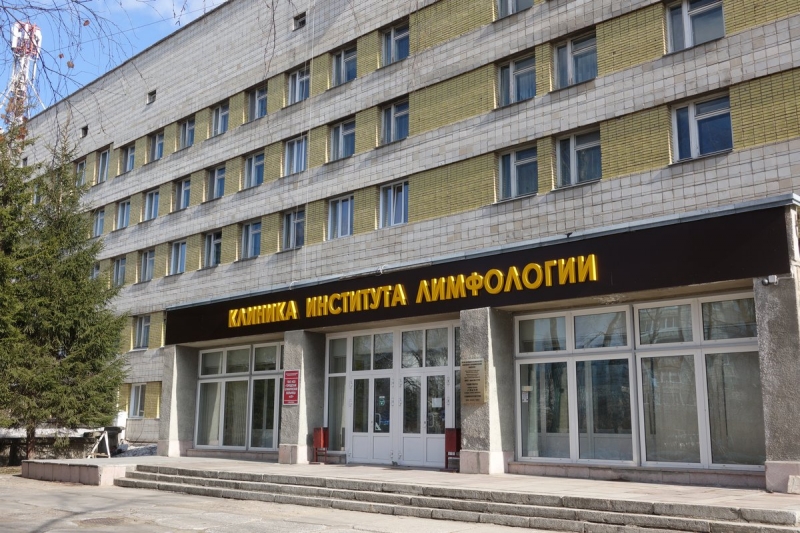
The Research Institute of Clinical and Experimental Lymphology, a branch of the Institute of Cytology and Genetics. Photo by V.S. Koval
Nikolay Kolchanov, Director of the Institute of Cytology and Genetics from 2007 to 2017.Photo by V.S. Koval
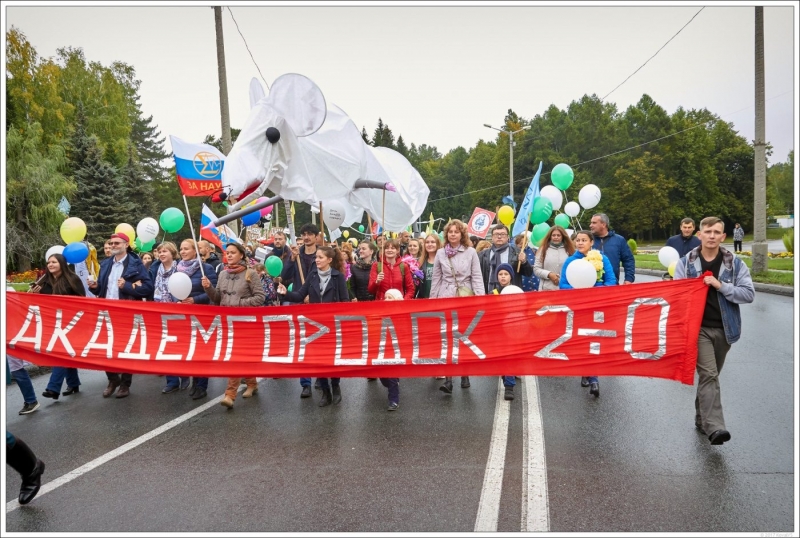
A column from the Institute of Cytology and Genetics of the Siberian Branch of the Russian Academy of Sciences at the festive procession on Akademgorodok Day, September 15, 2019. Photo by V.S. Koval
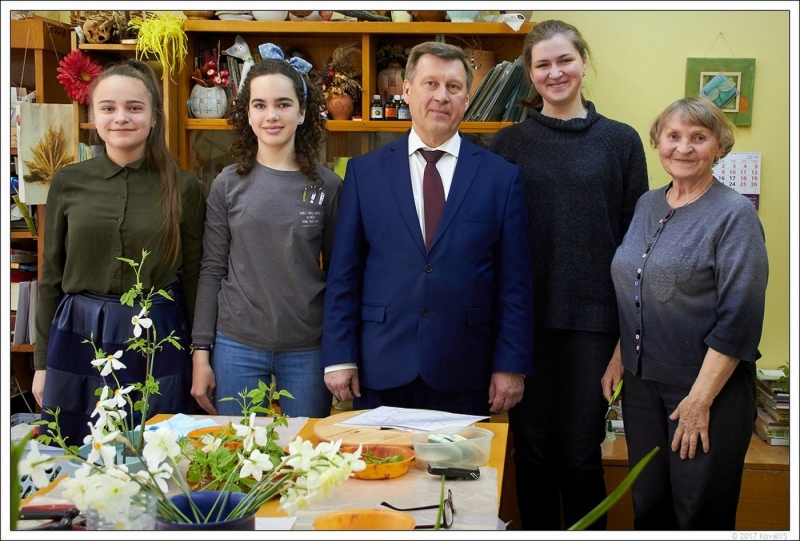
Novosibirsk Mayor Anatoly Lokot visiting the Laboratory of Environmental Education at the Institute of Cytology and Genetics of the Siberian Branch of the Russian Academy of Sciences. Photo by V.S. Koval.
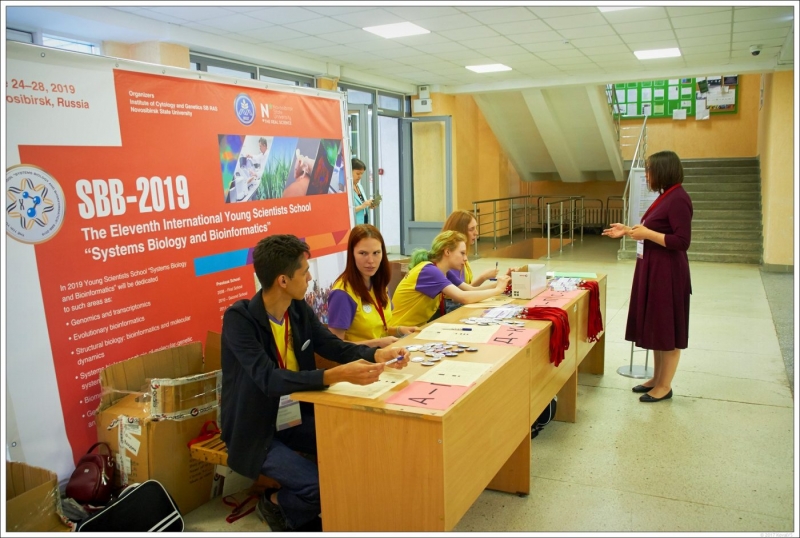
Opening of the 11th School of Young Scientists "Systems Biology and Bioinformatics," held by the Scientific Research Center of Cytology and Genetics of the Siberian Branch of the Russian Academy of Sciences from June 24 to 28, 2019. Photo by V.S. Koval
Opening of the 5th International Scientific Conference "Plant Genetics, Genomics, Bioinformatics, and Biotechnology" (PlantGen2019), June 24, 2019. Photo by V.S. Koval
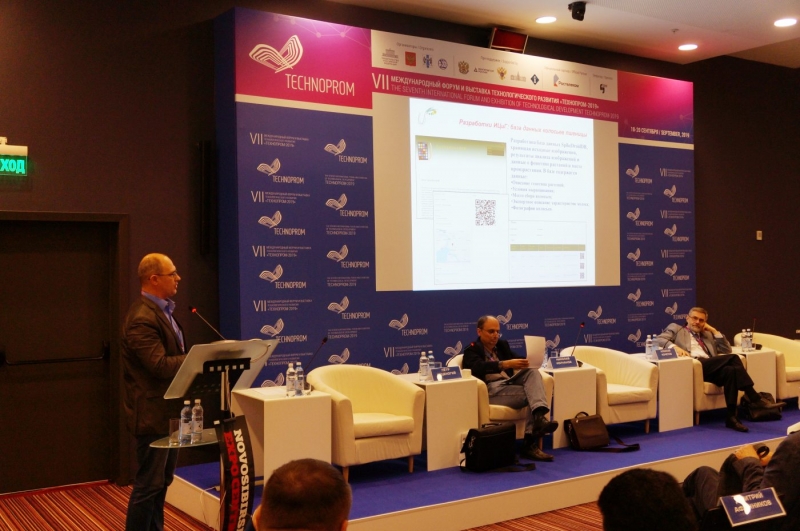
 The Federal Research Center for Cytology and Genetics organized the strategic section "Bioinformatics, Genetic Technology Centers, and Genomic Research Centers" at the VII International Forum for Technological Development "Technoprom 2019" on September 18, 2019. Photo by V.S. Koval.
All galleries >
Copyright © 1996 - 2026  SB RAS

About the SB RAS Portal
Contacts